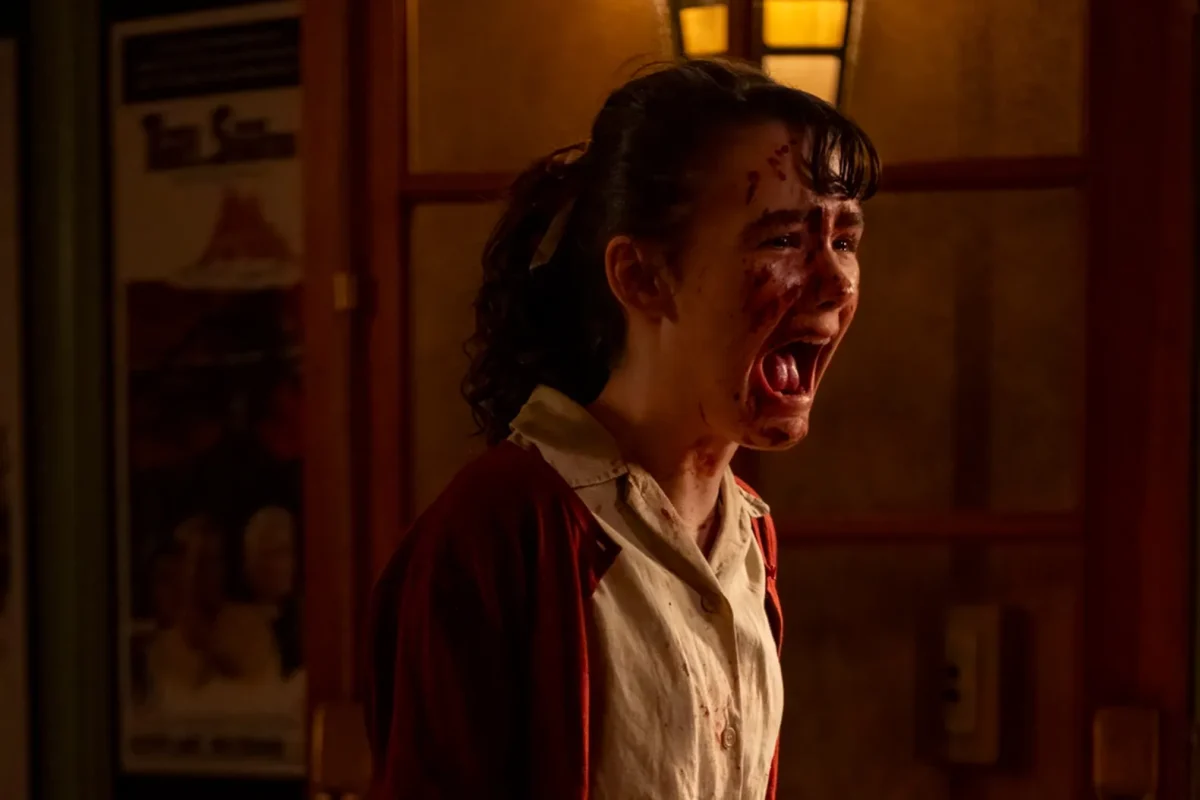
The mind of Stephen King has unnerved and fascinated readers for decades. Immortalized as the King of Horror, he has published 65 novels and over 200 short stories. While the terrifying tales of The Shining, The Mist, and Misery fuel the audience’s suspense and intrigue, King’s It feasts on the traumatic childhood fears of readers like no other novel. Inspiring numerous adaptations and memorabilia, including a 1990 miniseries starring Tim Curry and Andrés Muschietti’s 2017 and 2019 films of the same name, It has outlasted its exceptional 1986 debut. Upon the release of It: Welcome to Derry, 5.7 million fans huddled around the television for a night of terror and a chilling return to the town of Derry, Maine. As expected, the show graciously delivered.
Influenced by the events of King’s novel as well as its variations, this supernatural series gives its viewers a significant amount of world-building. The interdimensional origins of It and the creature’s abilities are not only studied but expanded upon. The show revisits integral disasters in Derry’s history, all of which were connected to the interference of this mysterious monster. By placing the audience in the calamitous year of 1962, multiple long-awaited questions are answered. The rise and fall of the Black Spot, a club established to entertain and protect people of color from the era’s civil unrest, is finally given a chance to shine. Additionally, Pennywise’s connection to tragedies from 1908 and 1935 is addressed and planned to be elaborated on in future installments. More obscure events of the sixties are also explored, including the birth of the Native American civil rights movement and the government’s bizarre Cold War experiments, adding elements of realism to the unorthodox plot. To the elation of viewers, decades-old characters from King’s other works, such as Dick Hallorann, a fan favorite from The Shining and Doctor Sleep, and multiple families from the It universe, are included in the show with their stories further developed, making the town’s history three-dimensional. These additions allow the audience to deduce and theorize, ranging from the fates of these characters to the future of Pennywise. It: Welcome to Derry perfects nostalgia, innocence, and unease, all of which make the show a joyous gift to its loyal fan base. When not petrifying audiences with the graphic devouring of children, the show continues to realistically address the societal issues, political obstacles, and racial injustices of mid-century America.

It: Welcome to Derry masters personifying the golden age of American paranoia, combining national insecurity with the grievances of domestic life and teenhood to create the antagonist’s rampage. Starring a group of ostracized kids: a military brat, a lunatic, a Cuban—various archetypes deal with both tangible and imaginative destruction. Crime driven by racism, like the exploitation of the Native American community or wrongful arrests, and the hardships of an unsure life, remain the foundation of the production. The union of wartime, teenhood, and Pennywise’s sporadic behavior produces the perfect metaphor for an uncertain decade in history. By implementing a balance of supernatural fear rooted in historical horror, the series grants itself great potential.
A new TV show would be nothing without strong performances that bring the writing to life. Intrigued by Clara Stack’s tragic Lilly Bainbridge and mystified by Chris Chalk’s cryptic Dick Hallorann, fans found themselves cheering on the new cast. The kids have captured the hearts of viewers due to their strengths in portraying relatability, empathy, and the ability to endure the misfortunes of childhood while protecting one another from an otherworldly enemy. Chalk’s performance is the most convincing, breathing new life into King’s recurring character and developing his supernatural powers. When expanding upon The Shining’s hero of the same name, Chalk perfects the emotional depth of his role as a tormented soul who grows into a charismatic and selfless protagonist. Bill Skarsgård’s vise grip on the world of horror in 2017 continues to resonate to this day. While a late arrival to the show angered many, the suspense it cultivated restored faith in the series. Pennywise’s subsequent behaviors have added to his legacy of being a merciless and brutal killer, whether it be directly terrorizing a victim or remotely harvesting the hate of others. The reprisal of the role gifted horror fans with lore, sorrow, and bloodshed. The antagonist’s magnetism to violence and disorder makes for the perfect predator.
When not exhibiting intense misery and gore, It: Welcome to Derry explores the benefits and faults of childhood. As a coming-of-age story, themes of conformity, domestic hardship, and love are illustrated. Will Hanlon’s (Blake Cameron James) adoration for the space age and the comedic relief of the lovesick Rich Santos (Arian S. Cartaya) cement audiences in an era lost to time. It: Welcome to Derry acts as a platform for venturing into the aches and pains of teenhood, which viewers of all ages can empathize with. The seventh episode remains one of the show’s most emotionally and socially powerful episodes. The sacrifice and loss of a central character, a victim of a realistic incident, broke the hearts of millions. Racial supremacy and the burning of the Black Spot remind the audience that racially-charged crime will always be more horrifying than a supernatural entity. While acting and writing are the core specialties of the series, audiences have shared opinions on the show’s flaws.
Naturally, a series in its infancy can run into obstacles. While the series aims to scare its audience, many could only laugh at the third episode’s special effects, in which a potentially frightening cemetery scene was flattened by cartoonish graphics. In multiple other episodes, the show refuses to utilize practical effects. However sparse they may be, using non-digital visuals for jumpscares makes the moment much more effective. While the show’s poor CGI does not harm its critical quality or success, it does break immersion. In a production that thrives on making fears come true and centers around terrorizing an entire generation, the lack of believable visuals discredits the antagonist’s methods and the production team’s abilities. Additionally, insecure direction does not allow the cast to reach their full potential, especially the younger actors. A dedicated director would build upon an aspiring performer’s best skills while improving their weaker ones; feeble direction will only harm a blossoming career. While these imperfections can be improved, changes are yet to be seen in the cards.
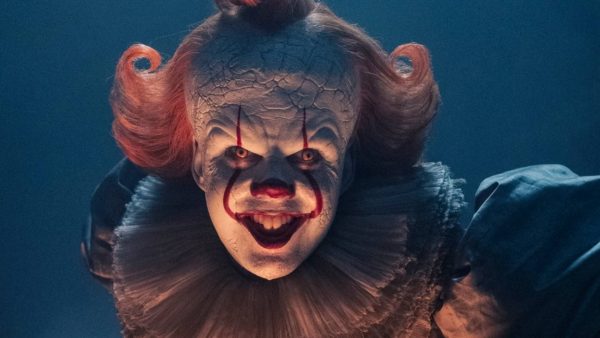
(Courtesy of Brooke Palmer/HBO)
It: Welcome to Derry’s strengths lie in its imagination, historical immersion, and emotional performances. It succeeds in giving horror fans new but familiar media to enjoy. The show has beautifully shed light on a new generation of skilled actors and expanded upon an influential fictional world. While its continuation is yet to be greenlit, the production team has openly planned a three-season series. With a delectable amount of fear and graphic detail, It: Welcome to Derry fulfilled the dreams of long-time fans and has become a valiant addition to the It legacy.