When Max released its new medical drama, The Pitt, viewers jumped to assume it would be just another show full of clinical inaccuracies, unnecessary romances, and clunky writing. As soon as its graphic visuals and raw portrayal of the mental and physical tolls found in healthcare hit the screen, The Pitt became an instant success. Characterized by their single-day/fifteen-hour shift structure (one episode equals one hour), seasons one and two were able to create a unique level of suspense yet to be seen in television. A mixture of tense scenarios and complex characters captured the hearts of viewers—but what exactly made The Pitt so monumental?
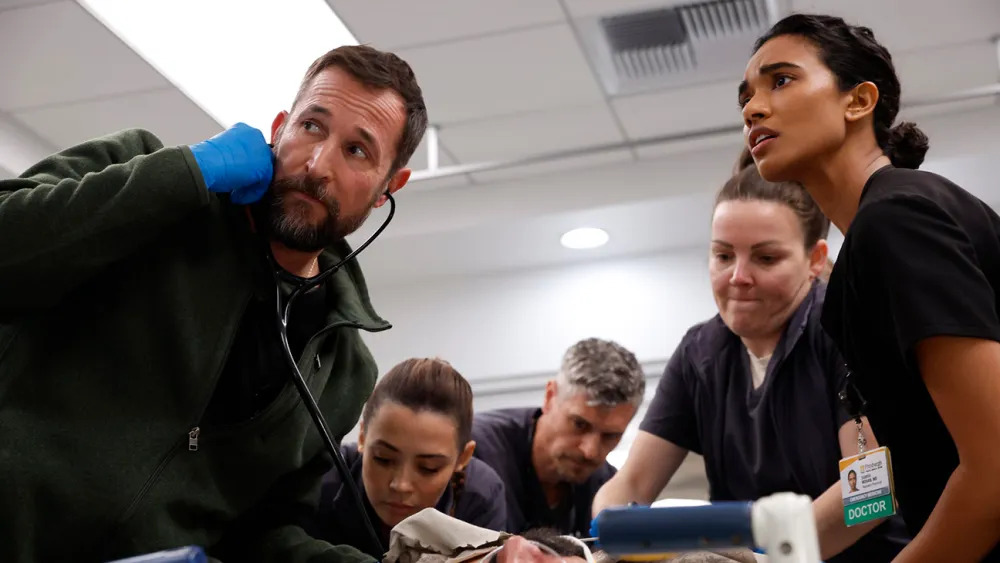
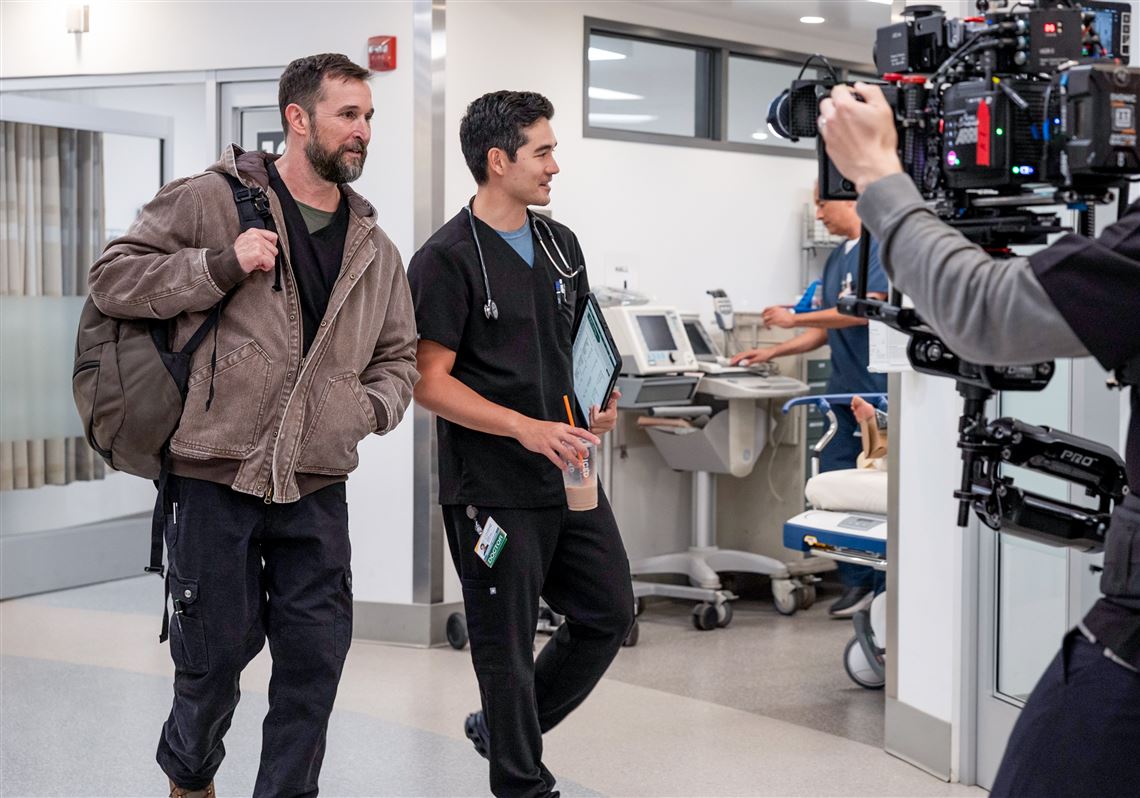
A sizable amount of The Pitt’s authenticity lies in its medical language and immersive acting, but it is the impeccable writing and collaboration that make the show so compelling. The combined writing efforts of creator R. Scott Gemmill, television writers Joe Sachs, Cynthia Adarkwa, and Valerie Chu, the cast of The Pitt, industry veterans, and more strengthen the show’s accuracy, depth, and relatability. Noah Wyle effortlessly transforms into his character of Dr. Michael Robinavitch and becomes a central vessel for the themes the show addresses. Repeatedly described as the “ship’s captain” by the bold Charge Nurse Dana Evans (Katherine LaNasa), Dr. Robby puts others before himself and takes on their burdens, collecting stress in a way that viewers can sympathize with—especially the healthcare workers watching. Such a convincing performance would not be obtainable without Wyle’s efforts or the writing team’s incredible work. These same principles can be applied to the other dedicated cast members and their characters, people who are all struggling to find a balance between their personal lives and their work lives. Outside of Wyle’s time on ER (1994–2005) or the incorporation of real nurses on the show, such as Nurse Jesse Van Horn, portrayed by Ned Brower, a majority of the cast had no medical experience before filming. With the help of a two-week medical “boot camp” and constant supervision under licensed healthcare professionals on set, the cast and crew were able to provide viewers with an accurate production. Following a collective fourteen months of writing, weeks of medical prep, and years of acting experience, the team behind The Pitt was able to deliver two seasons of a beautifully crafted piece of television.
The Pitt’s pacing creates a special atmosphere with relentless suspense and little to no moments of calm. With absolutely no filler plots, the show fascinates the audience who find themselves reflected in each character and situation. Every protagonist has a distinct and intentional background, possessing characteristics that give them volume. Their unique histories influence how they confront obstacles and how their decisions advance the plot. Even minor characters shape the protagonists and bring realism to the show’s environment. As a teaching hospital, The Pitt’s setting makes character growth a necessity. The med students and interns’ progress between seasons one and two is a perfect example. The relationship between Dr. Robby and Dr. Dennis Whitaker (Gerran Howell) may have taken the internet by storm, but the importance of their journey goes beyond assumptions or surface details. Dr. Montgomery Adamson was Dr. Robby’s mentor years prior to the show’s events, with his passing being a source of torment for him in the first season. Having inherited Dr. Adamson’s wisdom and responsibilities as the current attending physician in the emergency department, Dr. Robby and his connection with Whitaker became much the same. Between the first and second seasons, Whitaker has transformed from a timid med student to a self-assured intern, already acting like his mentor and teaching aspiring doctors the best medical practices or how to grieve losing a patient. The stoicism found in The Pitt is simply incredible. Characters like Dr. Robby and Nurse Dana remind viewers that even a veteran in the medical field can crack under pressure. At its core, The Pitt reminds the audience that doctors are humans too and just as capable of making mistakes, experiencing grief, and confronting emotions that may interfere with their work. The show’s depiction of vulnerability and its advocacy for healthcare workers is superb in its writing and execution. Representing a chaotic emergency department through diverse situations and grounded characters makes the show captivating and thought-provoking.

(Courtesy of Daniel Cole/Reuters)
In addition to universal experiences such as parental demands, professional pressure, and substance abuse, The Pitt explores contemporary issues found in the United States and its behavior towards the medical field. Assaults on nurses, the politicization of healthcare, and the rivalry between workers and their administrators are all key aspects that are depicted. The show’s direct approach of addressing current events, like the rise in Medicaid losses or the prevalence of AI replacing the work of humans, is a necessary warning. Topics such as autism awareness, nepotism in the medical field, and euthanasia were also great themes. Discussing widespread issues such as domestic abuse, sexual assault, and gun violence through a factual lens gives the audience moments to reflect. The Pitt’s decisions to address Immigration and Customs Enforcement’s (ICE) controversial interference in daily life or the Center for Disease Control and Prevention’s (CDC) recent incompetence in American healthcare were daring choices. For those watching who do not work in the medical field, topics of mental health, being a caretaker, coping with substance abuse, experiencing divorce, and more assure the viewer that these characters are just like them. While most people turn to television to escape reality, The Pitt is not scared to confront the turbulent times viewers find themselves in; facing the truth is what fans come back to every week.
So, where does The Pitt go from here? As long as the same cast, crew, and formula are untouched, the show’s future will be promising. With five Primetime Emmys, two Golden Globes, and various other awards under its belt and a renewed third season on the way, The Pitt has certainly left its mark on the history of American television.