Controversies are nothing new, especially in the world of film. In February of 1980, Ruggero Deodato, the director of “Cannibal Holocaust,” a movie known as one of the most controversial pieces in cinematic history, was arrested for obscenity, but subsequently faced court for murder charges. At this hearing, he was tasked to prove his innocence by showing proof that the actors are still alive, and that the deaths depicted in his movie were all fake. Italian authorities believed the found-footage scenes were real. Soon after it was released, the film was banned in the United Kingdom and added to the list of “video nasties,” a collection of banned films depicting extreme gore, violence, and other obscenities, which was founded by the United Kingdom in the 1980s. There are 72 movies on this list. But this was not the only case of a movie receiving public backlash.
One film that had its fair share of negative reactions was “Trainspotting” (1996), a production that was a perfect mix of controversy, heartbreak, and nihilism. During the film, the audience follows a group of heroin addicts: Mark Renton, Sick Boy, Spud, and their friend Franco, who is an alcoholic. The movie’s infamous baby scene struck a sensitive chord with viewers. A quarter through the movie, the side character of Allison screams uncontrollably as Renton, Sick Boy, and Spud go to investigate what she is so worked up about, only to find her baby dead in her crib. Allison’s child had died due to neglect; nobody was looking after or taking care of the baby due to being stuck wrapped up in their drug addiction. After everyone sees the corpse, they all sit in the living room to shoot up heroin as if nothing had happened. At the end of the film, viewers see Renton escaping his addiction. Though at the expense of his friends, it was truly a great way to see him grow beyond his initial nihilistic mindset. Many viewers argued that the baby scene was unnecessary and over-the-top. However, this is a real-life issue. Many drug addicted parents are unable to give their children what they need. While the baby’s death was on the more extreme side of abuse, that doesn’t mean it can’t happen or won’t continue. Addiction isn’t the only daring thing portrayed in film—due to its prevalence in today’s world, gun violence has seeped into the industry.
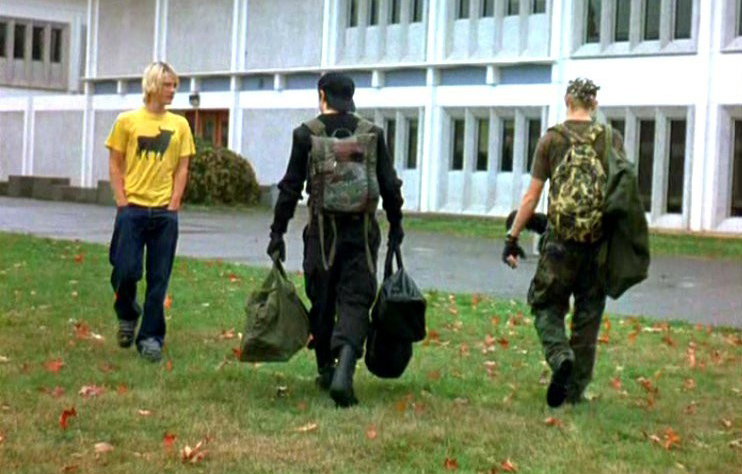
“Elephant,” written and directed by Gus Van Sant, has been labeled as one of the most boring films ever. However, it was the movie that did what journalists couldn’t. This film is inspired by the Columbine High School massacre. The day starts like any other. The audience follows many different characters throughout the film, expressing that everyone is living separate lives; no one experiences the day the same way as someone else. Halfway through the film, the shooters, Eric Harris and Alex Klebold (name changed from the real Dylan Klebold), walk to the school in preparation for their attack. One of the main characters notices the shooters and asks, “What are you doing?” Harris responds with, “Get out of here and don’t come back, some heavy stuff is going down.” They then enter the school and open fire. Near the end of the film, Alex shoots his accomplice, Eric. Even though Eric was useful during the mission, Alex wanted to kill as many people as he could. He didn’t want it to be a joint mission; he wanted the credit for himself. “Elephant” came out only four years after Columbine, with many critics and viewers thinking the timing was too soon. It was extremely rare to see people call it inaccurate, because it wasn’t. Nobody ever knows what day will be their last. With the growing rate of the school shooting epidemic, accuracy in media depicting them is extremely important. Van Sant did an amazing job at not glamorizing the shooters, which has unfortunately started to become an issue, as many teens idolize certain criminals and consider them heroes. While “Elephant” is over twenty years old, controversial movies in the modern-day remain prevalent and adventurous, such as the 2024 film “I Saw the TV Glow.”
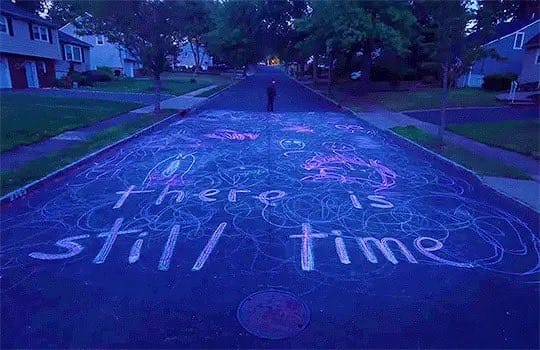
Written and directed by Jane Schoenbrun, “I Saw the TV Glow” represents shame, gender dysphoria, and self-discovery. The main characters, Owen and Maddy, bond over their favorite show, “The Pink Opaque.” When Maddy suddenly disappears, her friends and family are confused, heartbroken, and eventually decide to hold a service. Eight years after leaving her old life behind, she reappears to talk to Owen. She speaks about leaving to become her true self, saying she found her heart and his, too, that his heart was still beating. Owen knows she’s right, and if he finally accepts himself for who he is, everything will be better for him. But he couldn’t make that choice, “waiting three days for her to come back and force me into that grave, but she never did.” He desires to be forced to undergo this necessary change for his own well-being, not wanting to make this choice himself. When a worst-case scenario occurs, people often jump to blame the ones who made them do what they did. At the end of the film, Owen has a breakdown. He realizes that he wasted his life, feeling suffocated after denying his true identity. He cuts open his chest only to see the static of the glowing TV that assures him that Maddy was right all along. The backlash this film received is undeniable; some viewers found it extremely uncomfortable and too over the top with transgender metaphors that were impossible to understand. The film’s meaning may be hard to grasp on first watch, especially for cisgender viewers, but it is not over-the-top; it is beautiful. Many transgender people have posted online that this film perfectly describes the process of transitioning. The majority of the hate it received came from people who were not a part of the LGBTQ+ community. It’s a no-brainer that they don’t understand it, because it simply doesn’t apply to them.
Movies have been receiving hate and intense criticism for years, but before hating, it’s important to remember that not all media will cater to everyone. There are specific audiences that directors are trying to reach. Not everyone is going to enjoy the same thing, and that’s okay. Art is subjective, meaning everyone has their own opinions regarding it. Movies have been more daring across the board, with their bold ideas bringing excessive backlash. It is impossible to make a movie that everyone will collectively enjoy; someone is always going to have something negative to say.