There’s a special kind of excitement that comes with watching a movie that has “based on a bestselling novel” in the opening credits. For readers, it’s a great opportunity for the characters they’ve envisioned to come to life, and for film buffs, it’s a great way to get into a story that may already be loved by the public. Whether you love or hate movie adaptations or think that the book is always better, novel-to-screen adaptations remain one of the most entertaining and talked-about experiences for readers and viewers.
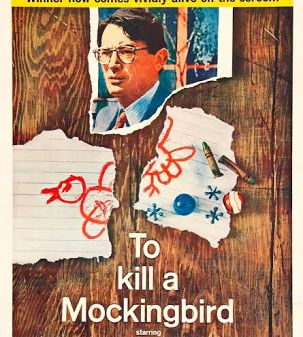
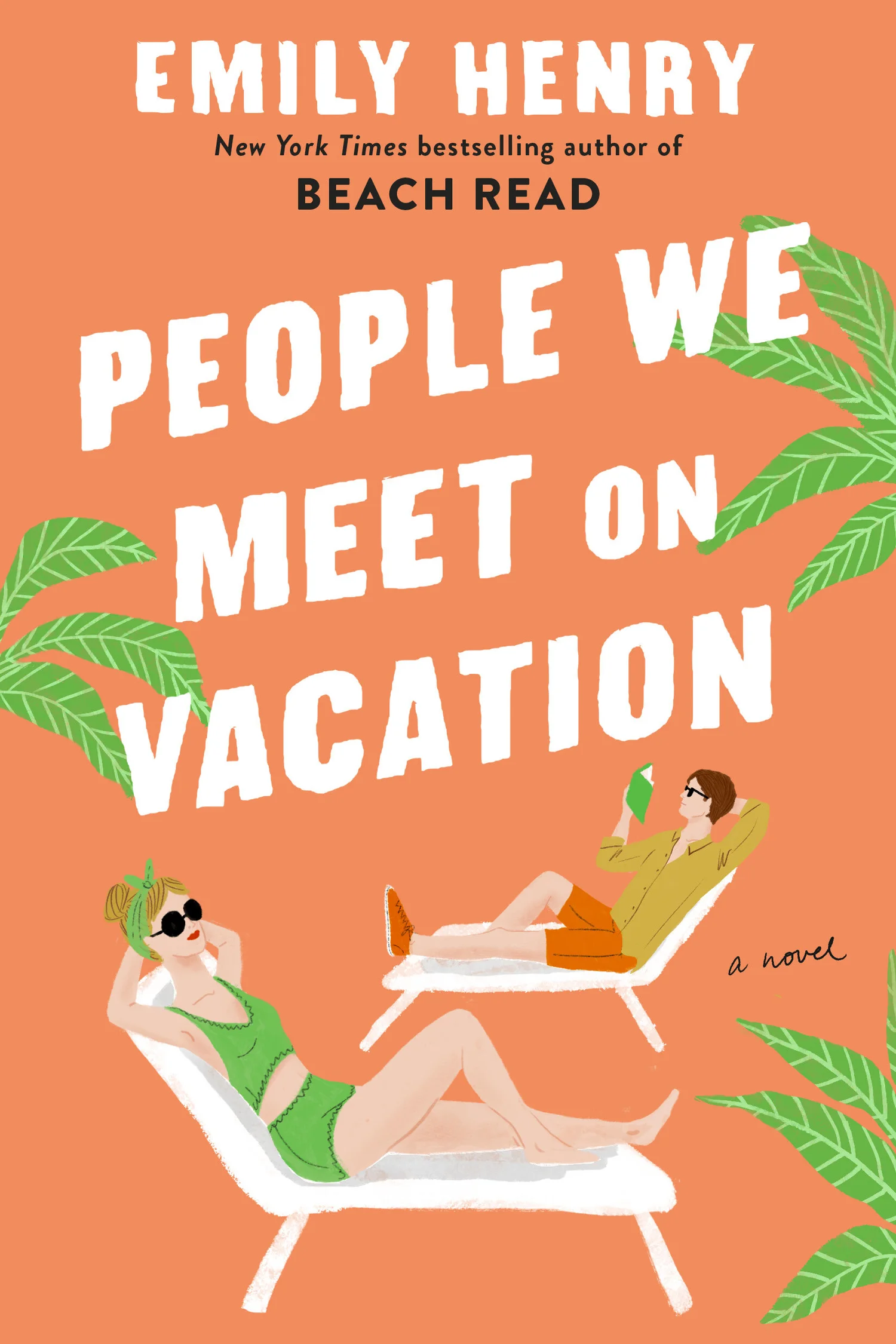
Hollywood has relied on books as a muse for motion pictures for a long time, and that shows no signs of stopping anytime soon. Examples of this date back as far as 1962, to the film version of “To Kill a Mockingbird,” and ten years later, in 1972, with “The Godfather,” which both quickly proved that such films could do well by bringing in an audience from both sides. Fast-forwarding to today, the rom-com People We Meet on Vacation by Emily Henry and the suspense thriller The Housemaid by Freida McFadden have now been adapted. Both have done well on the big screen, with McFadden earning a 73% on Rotten Tomatoes and Henry a 74%, proving that adaptation, if done correctly, still resonates well with the public.
However, not every adaptation is met with praise, as the vast majority are criticized by fans. Pictures such as “Percy Jackson & the Olympians” received low ratings because they strayed too far from the original material by adding major plot changes, and the filmmakers’ decision to age characters up. With other adaptations being scrutinized for casting choices or missing scenes that were initially loved by fans in the book. Although it may seem dramatic to attack a movie because of an age change, books are a comfort for a lot of people, so to take an important aspect that one loves and alter it will not always go over well.
Social media has only added fuel to the fire for these debates and opinions. Platforms like TikTok, Instagram, and YouTube quickly turn these movies into full-on discourse about whether or not an adaptation can provide the same context as the book. Some argue that these films cannot provide the same depth or emotional complexity that the novel offers. Others may simply appreciate that they have a visual to add another layer of enjoyment to a series that they might already love, even if it is not exact to the book itself.
Despite criticism and controversy, book-to-movie adaptations continue to do well because of how they bring stories to new life. They introduce novels to new audiences and keep stories relevant long after they have been published. And even when complained about online, fans or haters still show up to watch the adaptations just to see how bad or good they are. Whether one personally loves or hates films based on novels, they spark conversation, excitement, and anticipation. Proving that no matter the debate, book-to-movie adaptations remain an exciting part of Hollywood entertainment.