For many students, one seemingly meaningless number means more than just a grade point average (GPA). It’s often the deciding factor for opportunities during high school, college decisions, and most importantly, career paths. Freshmen often see it as unimportant, like it can be improved later on. Over time, however, it becomes harder to overlook. By the time students understand the weight of their GPA, records are set in stone, and ways to boost that number are limited. What started as a distant thought quickly became the main factor in one’s schoolwork, without warning.
Freshman Cam Deblois treats this number as something flexible. “It honestly just depends on your career,” DeBlois said. “Some careers require more education, so obviously it matters there, but others might not, and that’s okay.” DeBlois checks his grades occasionally, but no more than once per week. In contrast to this, junior Allie Rodman has seen her GPA suddenly gain importance recently. “I’ve really been thinking about college a lot more, prioritizing grades over plans,” she said. Rodman has taken multiple AP and college courses throughout high school, starting in her freshman year. She notes that grades only matter to her if learning happens at the same time,“If I had a 4.0 but wasn’t learning anything, that would tell me that I’m not taking classes hard enough for me.”
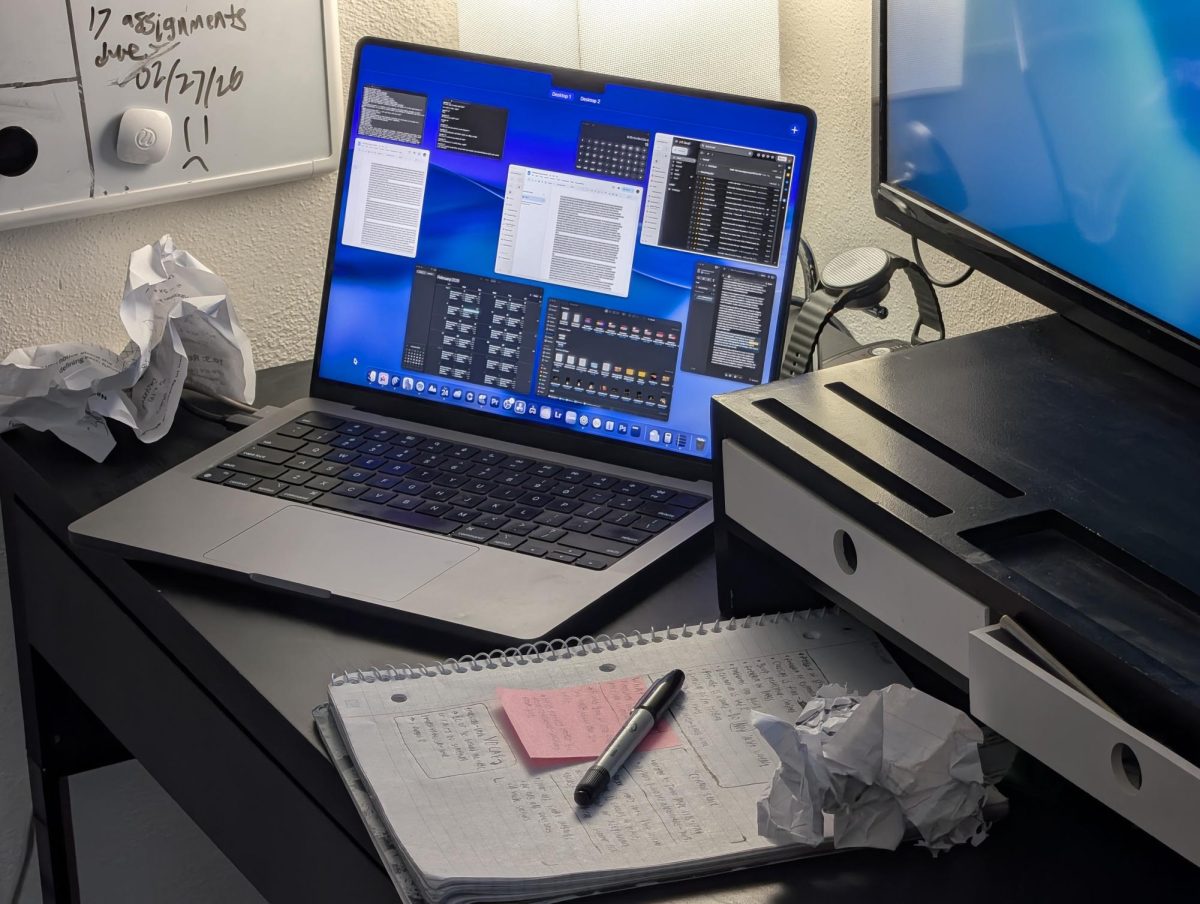
While some students may drop electives to take on more advanced classes, it is crucial to keep a balanced schedule. It’s hard to ignore that this number is often a make-or-break for colleges, but getting rid of classes one enjoys throws away the genuine interest and growth that come from taking electives. Tackling this balance affects mental health in ways many students overlook, as rising expectations turn assignments into constant background stress. Many high school students now balance schoolwork, jobs, activities, college courses, and personal time all at once. Picking classes that fit personal interests reduces this stress, and keeping a balanced schedule throughout high school prevents the buildup of these pressures over time.
For incoming freshmen, understanding their GPA early lets them prepare for the future, as poor performance in one quarter affects averages for the next four years. Students like DeBlois reflect on their current mistakes to improve future results, not letting the pressure overwhelm them. Rodman’s view on learning maximizes output while still holding focus on the same values. However, a simple grade point average can’t fully measure one’s full intelligence, creativity, or character, only the ability to follow a set of academic guidelines. College applications generally weigh GPA alongside other metrics holistically, such as recommendation letters, essays, or extra activities.
Both upper and underclassmen have their ways to tackle the same problem, where DeBlois shows flexible schedules and personal balance, and Rodman focuses on how her current classes can help build her future. Both approaches show the need for students to review their own goals and responsibilities, ultimately using that to create a system that works for them. GPA requires attention, but it cannot take over one’s daily life.
By the time many students really understand their grades and their importance, much of it has already been written into records and cannot be changed. What begins as a simple number in the background of their life becomes their sole defining metric, influencing college applications, self-perception, and priorities. GPA can’t fully measure intelligence, character, or creativity, but it remains a presence that guides one’s future.