Over the last several years, technology has completely taken over the world. With AI rapidly replacing various job opportunities, generating schoolwork, and providing easy answers, many are left with the question: how is this affecting schools? The simple learning technique of pencil and paper has been replaced by a small screen that captivates the attention of many high school students. Although there are some benefits to using computers, such as allowing students to have all the resources they need right at their fingertips, there are also many downsides that come with it, one being AI.
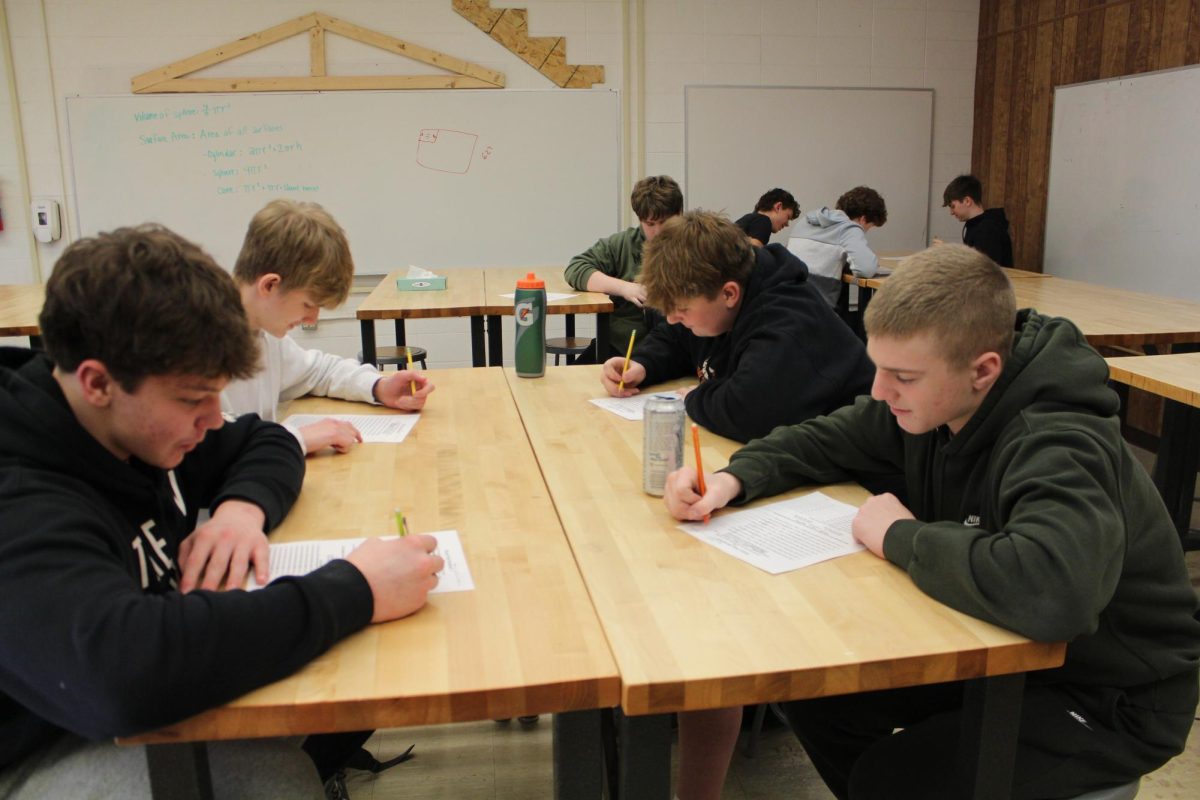
This form of technology has become implemented and normalized in today’s society, with many companies leaning into it. In the past year, it has begun to take over many school environments, even though there is a well-known link between deeper learning and thinking when using a pencil and paper rather than typing on a computer. In a math class, it’s important to practice writing and retaining information. Carrie Johnson, who has been a math teacher at the high school for thirty years now, said, “I’m pretty clear with expectations on when [technology] should be out and when it shouldn’t be out.” Chromebooks haven’t been a big issue for her teaching style, but they have affected the lives of some students. Cadence Pastor, junior, has struggled with being able to focus during class due to her ADHD. She said, “Screens are a big factor in how students’ attentions are captivated.” When there’s so much going on at once, such as students socializing, while others are working on their class work, and some are just simply not doing anything, it’s hard to stay focused on what needs to be done. Sticking to strictly paper-and-pencil work would limit distractions in the classroom and help create a better and more focused school environment.
This trend has not just struck the high school space but colleges as well. An investigation by The College Fix explains how an institution can go device-free during these hours. It claims that they have seen a positive difference in student interactions due to the change in expectations. Their “Screen-free” policy gives the students the chance to better connect with their peers and collaborate on their ideas. They have ultimately noticed more students attending class and an overall better atmosphere.
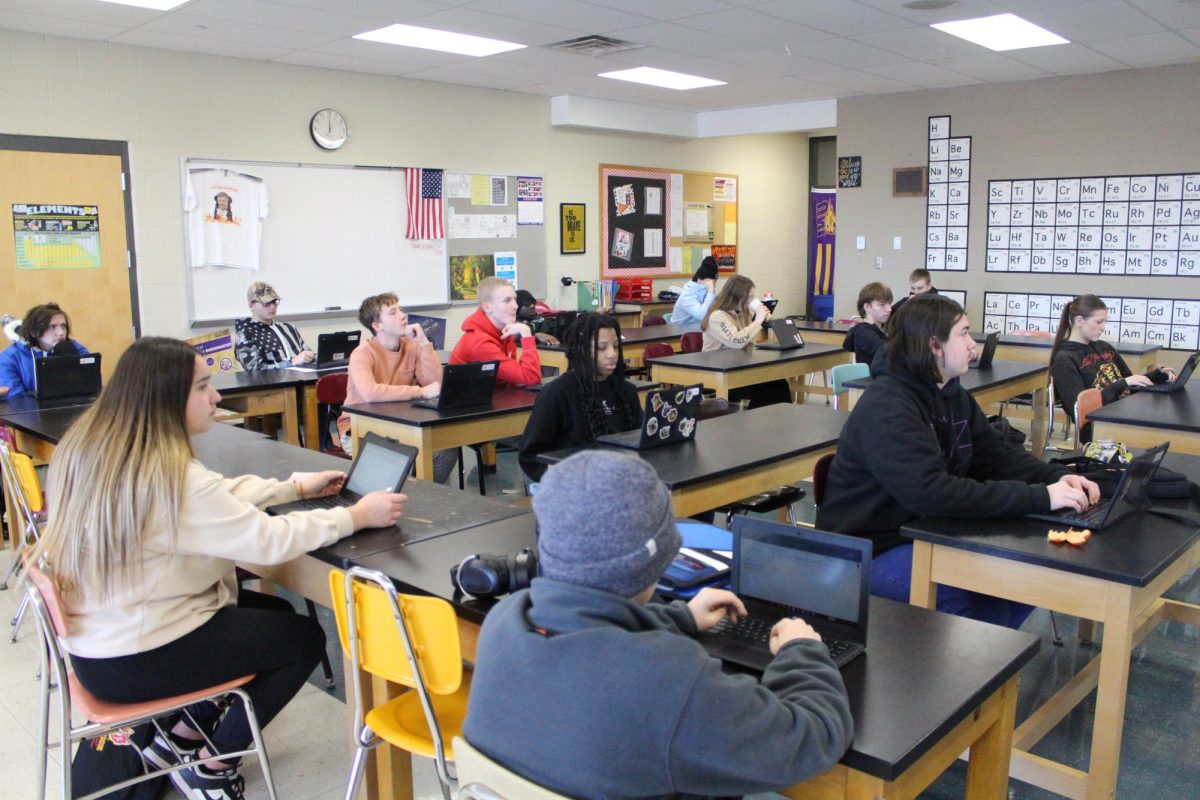
For the high school, getting rid of Chromebooks entirely is unrealistic given their extensive use in many class assignments. Though limiting their use could benefit the learning environment, it is important in any class to have balance. Being able to understand what students need to help them succeed will be valuable for their future learning. Doing everything on a computer can lose people’s attention, and it can also get boring. Transitioning to the traditional paper and pencil gives students a learning advantage by making them focus more easily and be ready to use their brains. “I find it hard to step away and get off my computer,” Pastor said. Many students can also relate to this, as all high school students have had computers since elementary school. It’s important to understand the needs students have while also understanding the limits of changes that can be made.