Breakfast is, by all accounts, the most important meal of the day. Grandparents and nutrition professionals alike will always recommend eating one that is hearty and balanced, but the reality is that high school students often skip on these occasions, missing it entirely, leading them to start their day on the wrong foot. The new alternative at the high school aimed at tackling this issue facing teens is “Second Chance Breakfast.”
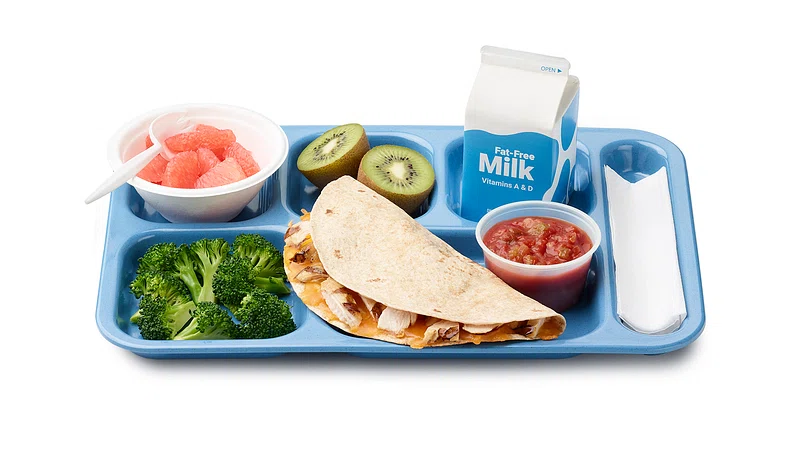
Second Chance Breakfast is a program that serves students a makeup one after their first block. The breakfast is virtually identical to the regular meal served, with the only exception being the substitution of foods that can cause messes, such as cereal and milk. This opportunity has been helpful for many students, with about fifty students using it daily, and occasionally, numbers go into the hundreds.
Molly Pierson, Nutrition Food Service Director for the district, said that workers realized only around thirty kids usually ate breakfast each day when it was only served before the first period. As she said, “At the high school, you guys are coming a lot on your own.” Unlike with younger students, high school students’ primary form of transportation is cars. This means that high school students often arrive at school with less than five minutes before the bell rings, missing a vital opportunity to eat. Pierson added, “A lot of you guys come after the first period.” Many students, especially upperclassmen, often have an open block but still lack the resources at home for a simple and easy meal. Offering those students another shot allows a more focused learning experience and environment to be one lunch tray away. Pierson also noted that adding Second Chance Breakfast was a simple shift for staff. “It hasn’t added a whole lot to our plate,” she said about how it has affected food workers’ schedules and routines.
The transition was also simple for students, as well. Its impact on students can be seen in specific testimonies from individual students. Riley Chaisson, freshman, spoke about his experiences with the usefulness of Second Chance Breakfasts. He said, “Having a second chance usually helps me get in my food before lunch.” Chaisson, along with many other students, frequently misses the first opportunity due to various conflicts and circumstances in the mornings. As Chaisson said, “I would get here too late to eat breakfast, so I’d just skip it.” Second Chance Breakfast helps students like Chaisson be fully prepared for the school day, without having to tackle classwork on an empty stomach.
The success of this program can be measured not just with numbers, but also with emotions and behaviors. Having a full stomach before students’ classes allows them to be more attentive and focused during class time, creating better students and classroom environments. The gravity of its success has caused staff like Pierson to consider future expansion of the program, including bringing it to classrooms, a practice that has become more common with other school districts. Thanks to this implementation, all students can have a second chance at a great start to their day.