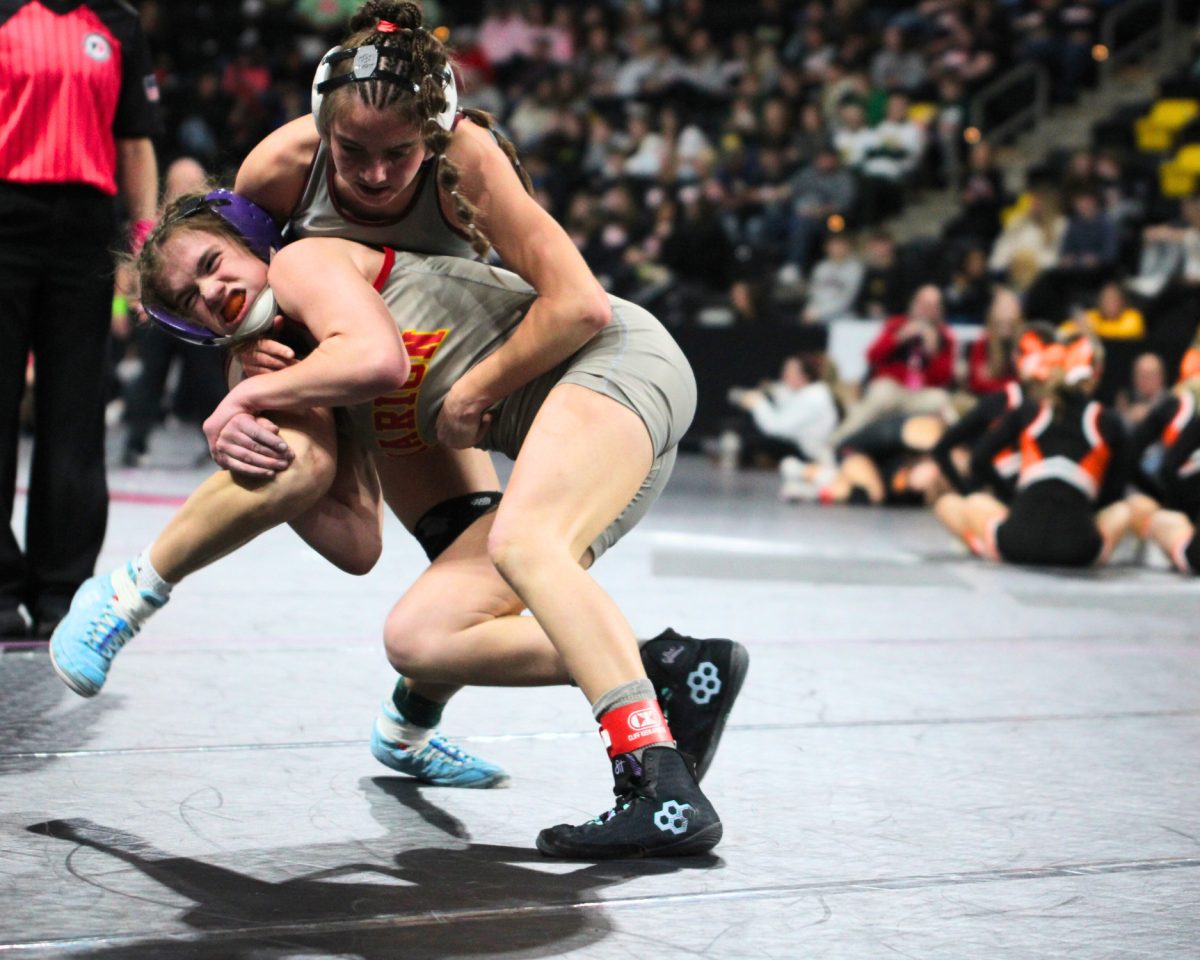
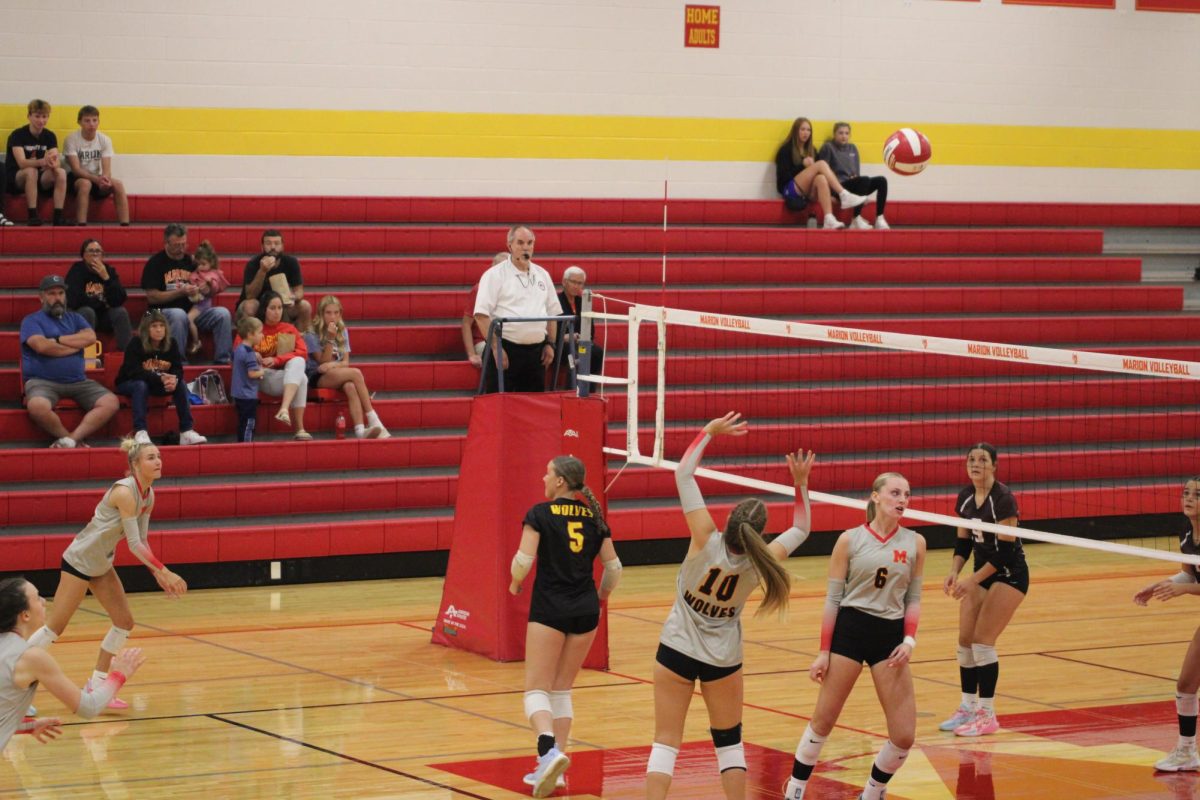
The whistle blows, followed by a collective protest from the audience. For most people viewing a sports game, this is a typical reaction: yell and complain about the call. Individuals blame the referees, calling them disrespectful names and sometimes picking arguments with them directly. Referees and officials receive a significant amount of disrespect on a game-to-game basis just for doing something they often do out of the goodness of their hearts and not for a big paycheck. Why do they deserve respect?
Melissa Pickering, Spanish teacher, has been refereeing middle school volleyball for three years, occasionally for freshmen volleyball, and does not ref outside of school activities. She personally believes middle school sports are easier to officiate because they aren’t as “high-stakes.” Pickering said the hardest part about being a ref is when there is a close call to make, as it can be nerve-racking. She told a story where she made a mistake about calling a dead ball, and the audience immediately got upset with her. The teacher and referee expressed that it made her feel “terrible.” Pickering said, “I’m human too; we’re not perfect.” She owns up to her mistakes and tries to correct them as best as possible, but the job is pressuring. When she does come across these difficult audiences, she tries her best to shake it off and not let it bother her. As a ref, Pickering wants individuals to have some respect, and could take a step up by saying a simple “thank you” after the game; little gestures sometimes mean the most.
Mike Manderscheid has been the high school’s athletic director for seven years now, and he schedules lower-level refs, such as non-varsity games, including volleyball, baseball, softball, and basketball. He tries to attend every home sporting event and activity possible. At most of these games or meets, he notices the audience stays mainly neutral, although there are occasions where they can be negative. Manderscheid remembers a time when a whole row of the student section got kicked out of a basketball game for name-calling and targeting the referee. Although he believes a simple reaction is reasonable, continuing and saying disrespectful words is where it’s an issue. Manderscheid said, “If I allowed people to go to your work or students come in, watch their class, and allowed them to badger you and yell at you when you make a mistake, how is that any different than if you’re yelling at an official who’s working a game?” Disrespect can go a long way, even if it is not necessarily intended.
Calvin Andresen, senior, is involved in golf, basketball, Take Charge, and Green Bandana. He attends football, volleyball, and basketball games, and he believes the refs monitor the events well. As a referee himself, he prioritizes respect and appreciation for the officials. Andresen said, “I kind of pride myself in respecting refs, because it’s a hard job.” He believes most individuals don’t treat them as well, but others do if they understand the rules. Andresen understands when people react, but they can go too far if they continue with insults. He said, “I’d definitely say I’d react, I’d probably yell, but if it came down to it, I wouldn’t do much about it because you can’t change it.”
So, why do referees and officials deserve respect? They volunteer and dedicate their time to directing a sporting event, with little pay. The job can be difficult and pressuring, while extra discourtesy makes this more complicated. These people are the same as any other with normal lives, jobs, school, and family. It is unknown what they go through on a day-to-day basis. Referees will make mistakes, too. As for the audience, reactions are normal; disrespect is not. Stay positive, maintain appropriate discourse, and at the end of the game, take a few seconds to thank the referees and officials.