

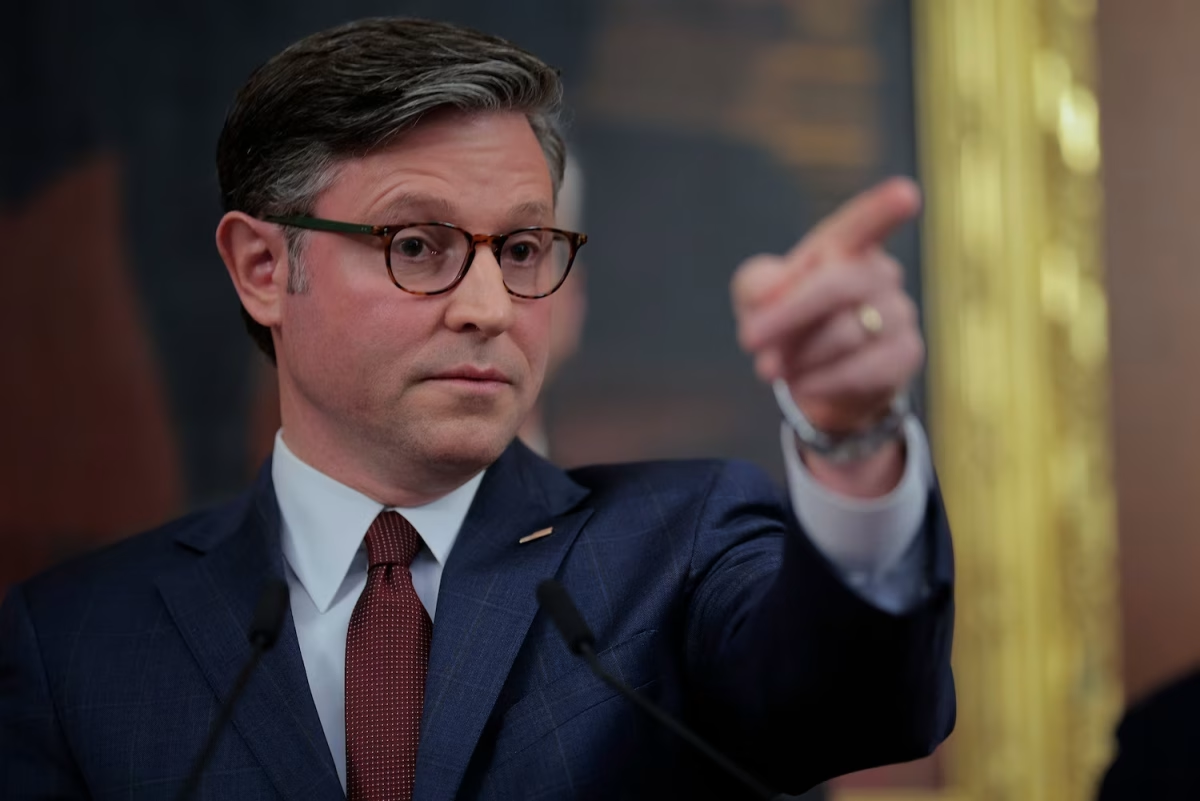
Amidst the hustle and bustle of political quarrels and distrust between the country and its people, the United States government went silent in early October. Since Donald Trump’s reelection, his administration has announced 300,000 civil service layoffs. These decisions sparked public controversy, leading to protests across the nation. This left millions feeling targeted and concerned for the future of their occupations. Divisions or branches such as the Department of Education and the Office of Special Education and Rehabilitative Services have been hit by mass firings and budget cuts. Focused on providing financial aid, anti-discrimination laws, and data centers for research and studies, these departments are now unable to work efficiently. While the effects of the shutdown currently stand on a federal level, how could this trickle down to local jurisdictions?
U.S. Congress and the White House found themselves at a stalemate after feuding bill plans failed to pass upon the expiration of the federal budget. Additionally, disagreements over the necessities of healthcare funding or statutes like the Affordable Care Act have driven Republicans, Democrats, and protesters alike to engage in dedicated confrontation. “No Kings” protesters and employees from federal departments or related programs have spoken out against their loss of employment, pay, and the current administration’s approach to the shutdown. In collaboration with ABC News and the Washington Post, an IPSOS poll conducted in late October revealed the public’s concerns for the instability of the government. President Trump’s actions since reelection and the management of the government shutdown by his administration have unnerved critics, with anxieties stemming from the demolition of the White House’s East Wing to the cancellation of Supplemental Nutrition Assistance Program (SNAP) benefits. Sixty-seven percent of poll participants believed that the president is leading the government in the wrong direction and were not impressed by his initiative to address the shutdown. While 68 percent of Americans felt that the Democratic Party was out of touch with the needs of the people, opinions of the Republican Party’s effectiveness were nearly identical (61 percent of participants). The study also revealed that 45 percent of Americans described Trump and Republicans in Congress as responsible for the government’s failure, in contrast to 33 percent blaming Democrats and 22 percent remaining unsure. While pre-established biases and decades-old rivalries may affect a community’s view of certain political parties, IPSOS’s findings revealed a consensus of apprehension about the country’s future.

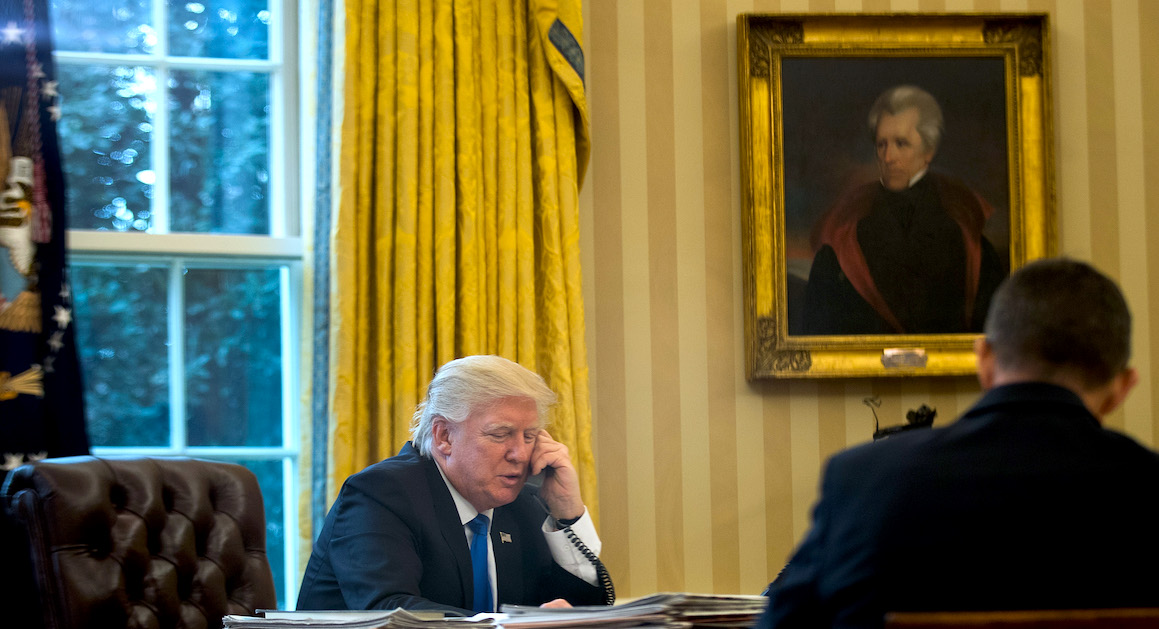
(Courtesy of Bloomberg/Getty Images/NPR)
A unanimous feeling of suspicion has prompted an ethical dilemma. With families unable to support themselves economically or nutritionally due to budget cuts and restrictions on essential services, a general distrust of the government has emerged. Programs like SNAP, special education services, or affordable healthcare supply vital resources to millions. The restriction of these opportunities has already affected the health and welfare of those who require them. SNAP, an organization that provides low-income Americans with affordable meals, has been a notable casualty. Ranging from households afflicted with unemployment and poverty to medical conditions and the elderly, the program assists over 42 million people across the U.S. and its territories. Upon the signing of the president’s One Big Beautiful Bill Act of 2025, 50 percent of SNAP benefits were suppressed, leaving over 20 million Americans without nutritional services. Alterations to program eligibility have blocked the organization’s dependents from accessing its resources, such as income, living expenses, and age requirements. Due to the government shutdown, farm programs, animal and plant disease security, rural development, and the protection of federal land have been compromised, along with SNAP. As a result of disrupted benefits, families have had to skip meals, stretch their resources thin, and prioritize the cost of nutrition, rent, or medication. Let it not be forgotten that the United States is already branded as the only first-world country without universal health coverage for its citizens, leaving nearly every American uncertain about the future.
Andrea Velasquez is the mother of a child with autism and a special education instructor at the high school. Viewing her job as an enjoyable and rewarding challenge, she strives to assist her students in developing life skills and independence. After 25 years of teaching in various fields, she has developed her creativity, her parenting skills, and an appreciation for her work. Regarding the current shutdown, Valesquez believes it has yet to affect special or general education at the state level, in contrast to incidents in 2024 such as the firing of 84 employees at the Grant Wood Area Education Agency. Those layoffs accounted for only a fraction of the 429 employees lost across Iowa. Velasquez believes that if special education were ever threatened by the federal government, people of all political backgrounds would defend it. “I think most people, regardless of where you are on the continuum of your beliefs of Conservative Republican or Liberal Democrat, a lot of people are pro-special education and the services they provide,” she said. “No matter who you are, I believe you probably know one person with a disability. To take rights away from somebody with a disability or to not give them the support they need, I don’t know anybody who’s really on board with that kind of mindset.” Velasquez and her coworkers have questioned the intentions of the U.S. government and its future relationship with special education. “Some people, at a federal level, are looking at things as cost-oriented, with no real thought about how it’s going to affect the common person,” said Velasquez. “It’s definitely something where I would hope people would take a look at the impact [on] a single person or a group of people. Anything that just wipes out an entire program, [that’s] obviously going to have a huge effect.” Concerned by the waning access to Medicaid, budget cuts to special needs programs, and the disregard for disability protection laws, Velasquez awaits the future of her work. Will laws like the Individuals with Disabilities Act (IDEA) remain functional? Will the efforts of past protesters and legislators be in vain? How will the government shutdown and its negative effects be addressed?
Jonathan Mitchell, a social studies teacher of 15 years, has contemplated the shutdown and its effects. Specializing in global history, local history, and government at the high school, he has dedicated his life to the preservation of political awareness and education. He strives to help his students develop critical thinking skills and teach them to maximize their roles in society. In regards to the government shutdown, Mitchell and his contemporaries have inspected the incident and its potential outcomes. While Republicans serve as a majority in Congress, the stubbornness of both parties has only furthered complications. If Congressmen and women had voted and passed 12 appropriations bills, the shutdown would not have been an issue. If those acts were absent, a continuing resolution would have also allowed a window of time to settle government funding; the shutdown could have been avoided in a variety of ways. “In my opinion, any time the government shuts down, it causes a certain percentage of the population to question the effectiveness of the government,” Mitchell said. “Some people may see services stopped and think, ‘the government doesn’t truly care about me,’ while others may think, ‘the government isn’t needed because my life hasn’t been impacted very much during the shutdown.’ Either way, our government’s reputation takes a hit during a government shutdown,” Mitchell predicted the event would break the staggering record of 35 days for a U.S. government shutdown, which it inevitably did. He believes the government will finally pay back its employees after the shutdown, but its solution will consist of increased loans and heavy debt. As a result of the incident, departments like the Department of Education have suffered over 2,000 layoffs. Additionally, educator shortages across the country due to low pay and intense exhaustion have plagued the industry. With the education field shrinking and the Department of Education suppressed, state and federal educators cannot work efficiently. However, Mitchell remains hopeful, believing the right people will aid the industry. “The more people going into a profession, the more likely you are to find a person with the skills, demeanor, and intelligence necessary to be a great teacher,” he said. “You cast your fishing line ten times or a hundred times, which scenario are you more likely to catch a trophy?” Will the government rebuild itself with the right people, or will it fall once more?

(Courtesy of Getty Images/CNN)
In the shadow of the government shutdown lies tremendous concerns for the future of federal departments, programs, and American lives. While ambitious in supporting their respective parties, Republicans and Democrats have restricted developments from occurring. The efficiency of government agencies and the welfare of the American people have been compromised. During the night of Nov. 9, the U.S. Senate passed a deal that aimed to end the shutdown and reverse the mass civil service layoffs signed by the Trump Administration. However, the government is not in the clear; the deal will have to be approved by the House of Representatives. Will they approve of this solution? Will the lives of the American people be jeopardized yet again?






Sage • Nov 20, 2025 at 9:34 am
Thank you for covering an important and impactful topic like this that needed to be addressed.