The American dream. An ideal that people pursue by leaving their home countries. America, at its core, was built to be a melting pot. A term used to describe a place where those of different races, religions, and cultural backgrounds bring their customs and experiences together in harmony. Every day, schoolchildren with a variety of customs rise and recite “liberty and justice for all,” a phrase that is supposed to inspire citizens and lawmakers to make the country we all call home the best it can be. Yet for many, the themes of liberty and justice for everyone regardless of differences have fallen flat in the America we know today.
A growing presence of ethnocentrism has begun to challenge the idea of unity that those who came before us have fought to create. Across political debates and social media posts, rhetoric rooted in cultural superiority has become more visible. Though bigotry is nothing new, the internet gives these opinions a megaphone where millions of people can spew their hatred and potentially instill their beliefs in those who are impressionable. And when individuals view their beliefs, customs, or religion as the only way or as the “correct way,” diversity starts to feel like a threat more than a strength.
As mentioned before, social media has amplified people’s ethnocentric attitudes. Algorithms tend to show users videos that align with the content they have watched and liked before. This creates an echo chamber in which opposing views or counterarguments are rare to encounter. Within these spaces, misinformation can spread like wildfire, reinforcing the idea that unfamiliar cultures are inferior to one’s own beliefs. And the impact of harmful speech extends beyond a person liking a video or an online debate. Hate crimes and incidents of discrimination have been more common, and for many Americans, the promise of equality feels less certain when a person’s cultural identity comes into play.
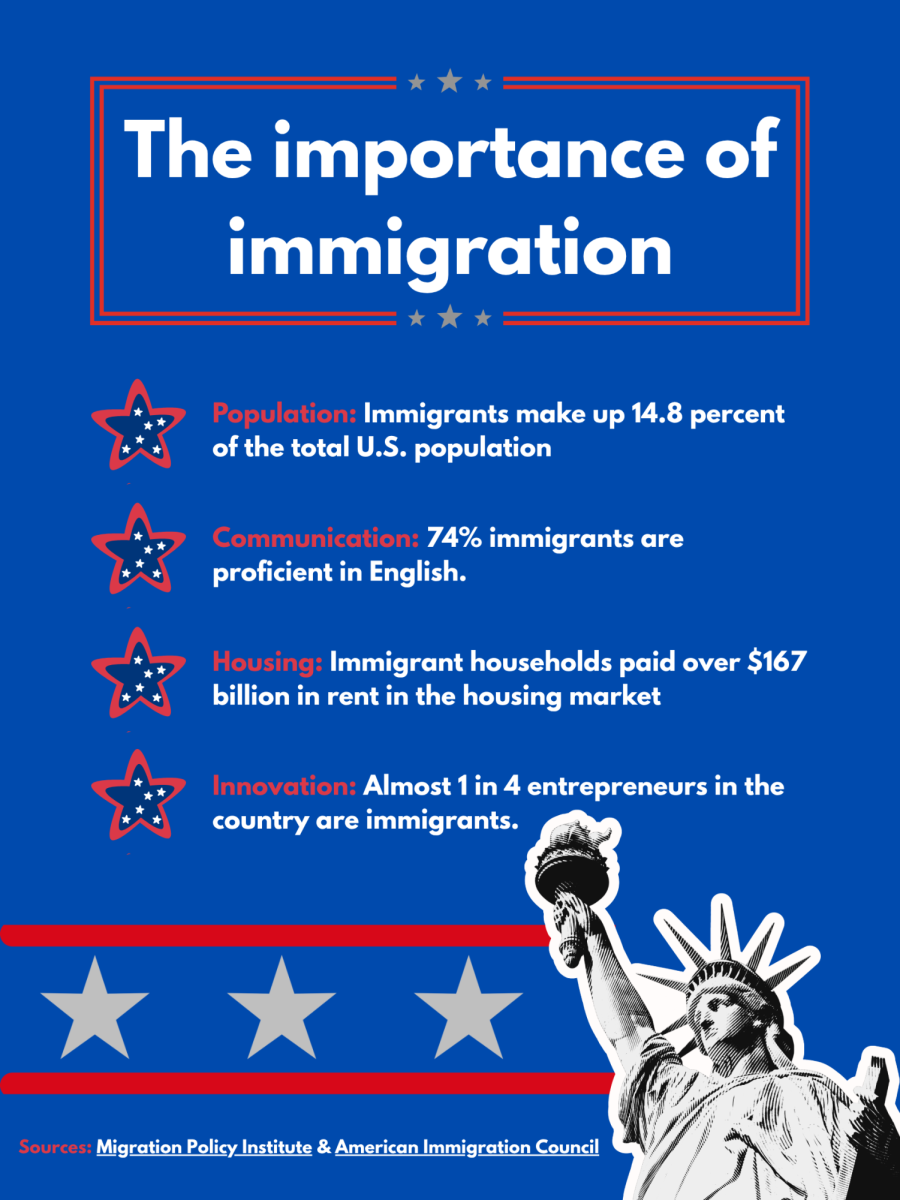
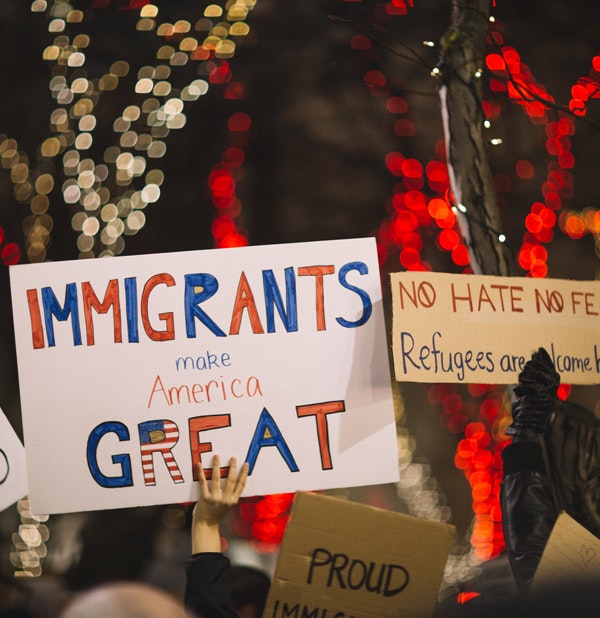
A lot of this shift can be seen in the conversation about immigration. The United States is a nation that was built by immigrants and used to pride itself on the ability of an immigrant to move to this country and, through hard work, build a better life for themselves and their family. And while critics claim that immigrants and children of immigrants aren’t “ truly American,” historically and currently, the nation benefits greatly from those who weren’t originally born here for their inventions, labor, and contributions towards economic growth.
Another factor may be the “Group Threat Theory,” which is a study that proposes that prejudice and hostility from a dominant group towards a minority grow stronger as the group’s size or power expands. This creates perceived competition for resources, status, and security. And when people feel threatened, they may cling to comforting beliefs without considering how they may harm others. Addressing this issue requires something different than policy change; it needs education, exposure, and meaningful interactions between groups. This allows people to enjoy and appreciate others’ cultures without straying too far from their own.
The American idea of a melting pot was never erasing differences but instead incorporating them. As ethnocentrism becomes more visible, the nation faces a choice on whether to continue to allow cultural aggression or to reaffirm the principle that diversity is foundational and crucial rather than disruptive. The future of “the American dream” depends on whether liberty and justice extend beyond one’s own culture and if Americans are willing to see opposing beliefs, cultures, and races as strengths, not division.