
The effects of tariffs on the U.S. have been a rollercoaster throughout 2025, but they extend far beyond big-name companies in major cities. In small towns like Marion, even local business owners are facing hardships.
People probably wouldn’t consider a business like Dave Wright Subaru to have any trouble finding or selling a variety of cars to local shoppers, but Ashton Schulte, a sales representative, says these tariffs have caused a ripple effect on their business operations, including higher costs and inconsistencies in deliveries. In recent months, Schulte said the cost of importing newer cars has risen significantly, as deliveries of new vehicles have gone up tremendously. Inventory has dropped by roughly 20 percent, with each car now costing $1,200 to $2,000 more to bring in. This brings issues for customers who may already wait months for car shipments to come in, and by the time they arrive, tariffs could be raised to a greater extent, driving prices up even more for the vehicles they bought. Fortunately for Dave Wright, they can mostly cushion this effect; however, smaller dealerships that get their supply chains from places like Dave Wright or other bigger car dealerships face more formidable challenges.
Over at Hawkeye Auto, sales have decreased, and prices have gone up. Most locally owned small car dealerships get cars from auctions of vehicles that larger dealerships don’t keep. But when those bigger businesses struggle to get those cars because of tariffs, smaller ones like Hawkeye Auto are left with limited options. They pay more at auctions, and customers see that reflected in higher prices. The shop pays extra as a result, and customers notice the increase in prices. According to an August report from The National Federation of Independent Businesses, more than half of small businesses across the U.S. faced higher delivery costs linked to these import tariffs this year. Iowa, in particular, depends heavily on small and midsize companies for its economy, including dealerships like Dave Wright Subaru. A change of even just a few dollars in supply prices can tip margins one way or the other; the staff needs their pay, and bills pile up just like anyone else. “We’ve had to rethink how we buy and sell,” said a sales manager at Hawkeye Auto, “When the bigger dealerships can’t get inventory that trickles down to us fast, sometimes we’re paying hundreds more for the same car we saw last year, and that’s tough to explain to a customer who’s already stretching their budget.”
Even with these hurdles, both companies express a resolve to make changes or look for alternatives. The government offers programs to help businesses affected by import competition with technical assistance and market-expansion support. And bigger dealerships are more than willing to negotiate auction prices now to help small enterprises remain afloat.
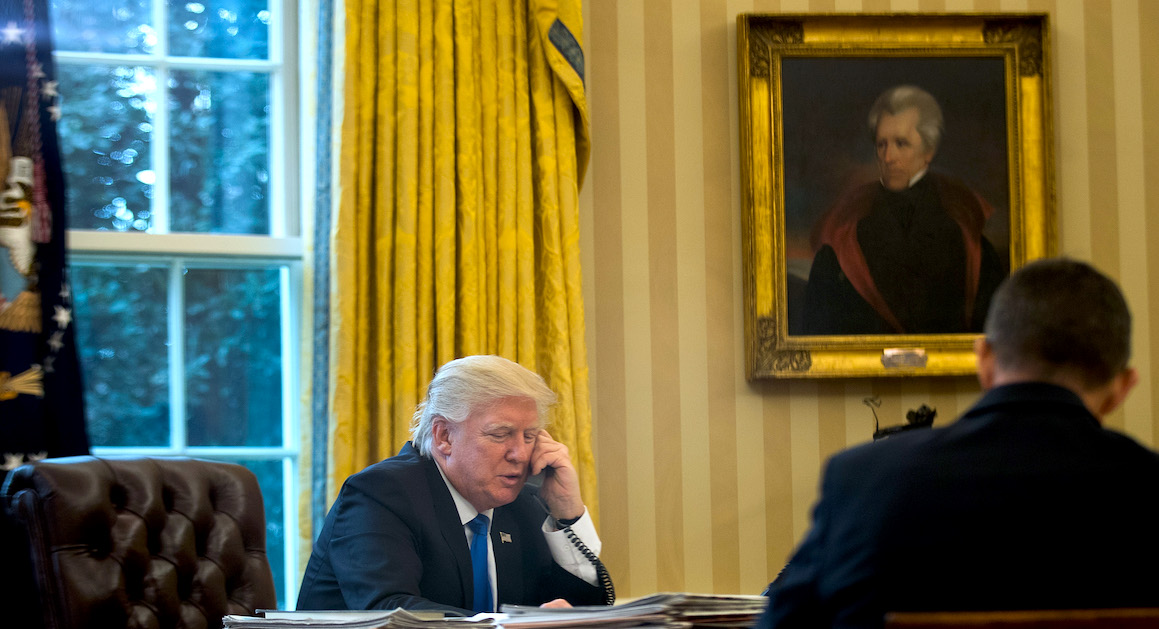
That said, there is no immediate exemption or refund mechanism for small businesses hit by the tariff increases, and earlier this year, the U.S Chamber of Commerce reported that the White House declined to offer direct relief, focusing instead on broader tax relief.
“At the end of the day, the consumer is the most important person,” Schulte said. “We want to make sure we take care of them as best we can, and offer a fair price.” While uncertainty remains, both business owners say versatility will be the most important as tariffs continue to shift. Trades will continue to influence the economy throughout 2025 and beyond. Fortunately, businesses in Iowa adjust daily, balancing global pressures with the grit of local life.