You’re sitting at a desk, 8:00 a.m. on a Monday, trying to ground your feet in attempts to stay awake in the face of a clock lulling in and out of apparent existence. Suddenly, you hear the alluring voice of the forbidden “go-go juice” with its miraculous ability to induce productivity, calling your name. Now, countless individuals will be quick to point out how “bad” these energy drinks are for the body, while simultaneously sipping from their coffee cups. And although they don’t carry many benefits, how truly detrimental are they?
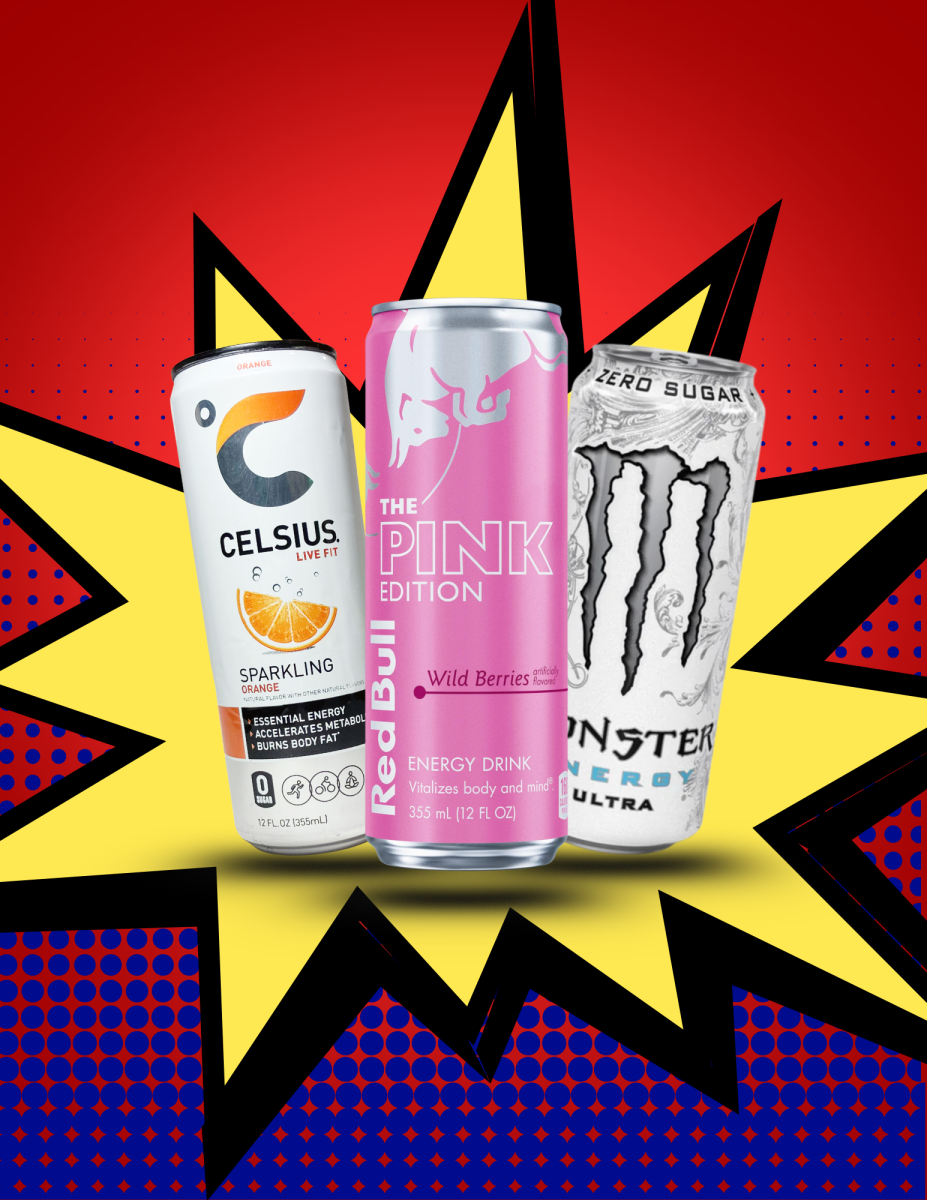
One of the main critiques of beverages such as Red Bull, Monster, Celsius, and many others is the “chemicals” (ingredients) that make up the drinks; some commonly heard ones include l-theanine, taurine, sucralose, and caffeine. Sound dangerous? Well, l-theanine is an amino acid found in tea leaves; taurine is commonly found in meats/fish; sucralose is an artificial sweetener meant to substitute for sugar; and caffeine is a naturally occurring stimulant. While none of these are “healthy,” they are all considered to be safe for the typical adult in moderation. In fact, according to dietitian Amber Sommer, in an interview with the Cleveland Clinic, “Occasional consumption of energy drinks by healthy people is not likely to be harmful,” noting, however, that regularly digesting them is what would expose one to health complications. Another characteristic these ingredients share is that they are not exclusive to energy drinks and are commonly found in a wide range of other foods and beverages, each of which would pose its own problems if overconsumption occurs. This can be said about a large portion of what we eat every day: the average American has dangerous amounts of ultra-processed or fast food, often with more serious effects.
Even though this information is readily available, there is still a strong bias against them, while coffee is promoted as a healthier option. The claims for this miracle drug stretch far and wide. According to the Mayo Clinic, coffee can decrease the chances of liver diseases, mental deterioration, and even lessen cancer. And although there is some evidence for them, these benefits largely depend on several variables. Firstly, this assumes that the cup is served completely plain, with no added sweeteners or cream. Next, the pros decrease dramatically if taken outside the morning period. Third, the significance of the gains varies from person to person. Lastly, it still requires moderation; it shares several similarities with its predecessor, but it is contorted into a healthier image due to its much larger market.
This is the solution to the argument. The purpose of an energy drink is to act as a stimulant, improve cognitive function, and lower drowsiness. It was made to be the “pick-me-up” for a particularly rough day. The issue lies in when people become far too dependent on them, having the beverage replace water, and making it a necessity for them to function. It was never intended to be anything more than the occasional boost. However, the feeling of euphoria and the induction of dopamine through the caffeine is what develops a harmful addiction. If someone is unable to limit themselves, this is what leads to the possible downsides of “go-go juice”: it can prevent sleep, lead to depression, heart problems, and dental issues, to name some. This is why doctors recommend having them occasionally, just not several times a day.
So the answer to the question “Should I try that new Red Bull flavor?” is: it depends. If it is the second one of the day, probably not; if it’s the first one in a while, go for it. The saying “everything is healthy in moderation” is absolutely true in this case; they were designed with moderation in mind. Just because someone drives a bicycle off a cliff doesn’t mean it was made to be a killing machine. So, in order to enjoy the pros without the cons, just perform the simple self-service of asking yourself, “Should I be drinking another?” and if the answer is no, just save it for next week.