
For many teens, the only places where they can be free are the ones built into their schedules, such as home, school, or work. “Third spaces,” defined as spots outside of these routines, have started to disappear in many communities. Places like skating rinks, malls, or cafes used to offer room to hang out, practice social skills, and explore without constant adult oversight. Slowly but surely, these locations are being erased. Whether they are being torn down, repurposed, or simply neglected, the remains of these third spaces are deemed unwelcoming, uninviting, or explicitly off-limits to younger people.
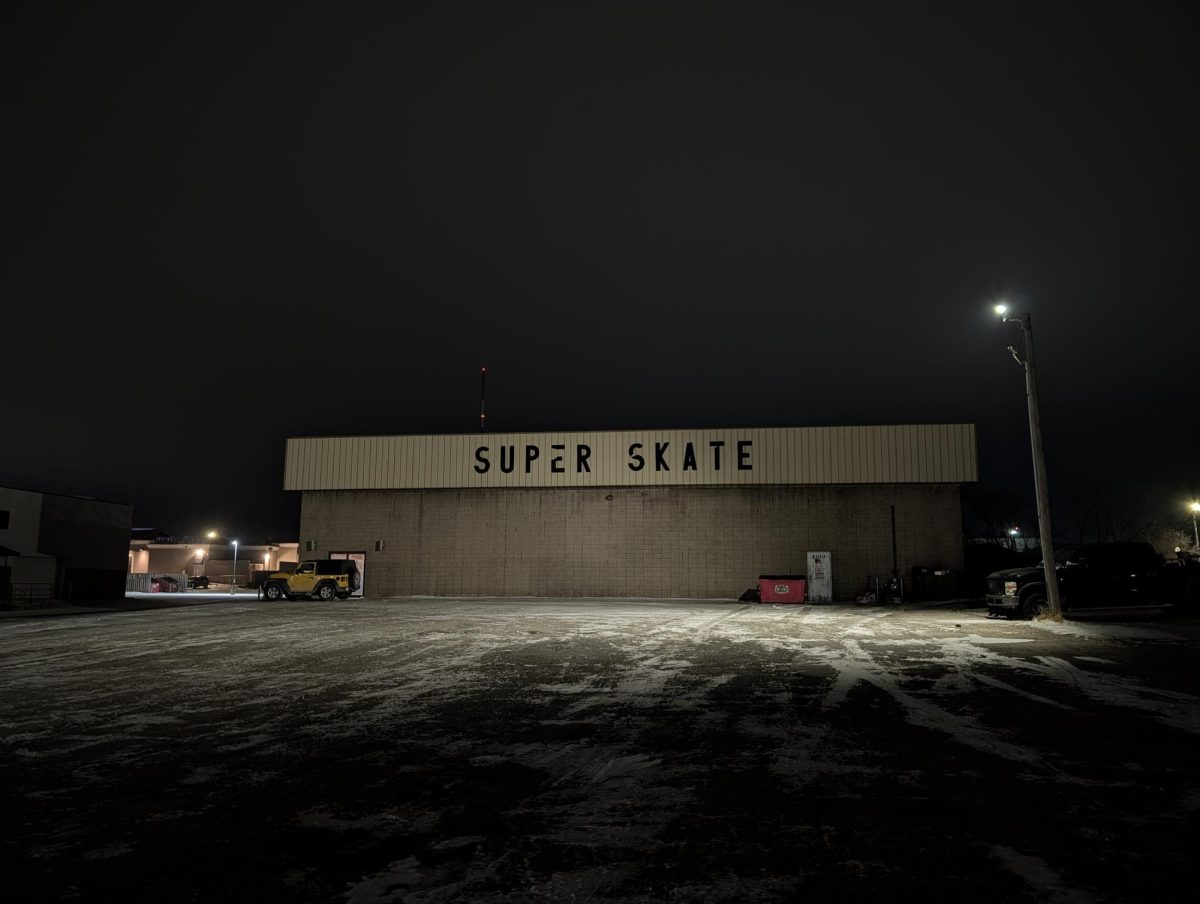
This trend is clearly visible in many cities. A local example is Lindale Mall, once a very popular hub for teen activities; attention continues to dwindle. With more stores and retailers moving online, students have little to no reason to visit. In a similar vein, Super Skate, a long-time favorite for birthday parties and family events, is now struggling to maintain that same energy. A mix of aging facilities and a severe lack of investment has made these once-popular spots exceedingly unappealing to the masses. Plenty of other public places, such as libraries, community centers, and even coffee shops, are already designed for quiet and as focus spaces. These restrictions can be seen in a variety of settings, further decreasing the youth’s hangout options.
The lack of accessible and entertaining public spaces continues to have significant effects on teens beyond simply reducing hangout spots. Without these designated places, they often resort to aimlessly driving around without a destination, spending time in parking lots, or staying with their friends at home. While the consequences of having minimal hangout spots may seem straightforward, the results may be deeper than they appear. This ongoing theme of limited exposure to diverse environments may lower their social skills, their ability to make new friends outside school, and weaken overall connections within society.
Many communities around the world attempt to address this problem by creating dedicated “teen spaces.” Although they are well-intentioned, these spots are unfortunately set up to fail. Areas created with teenagers at the forefront often feel artificial, overly monitored, and separated from the wider community. What many teens really want is not complex: unrestricted access to the same locations everyone has access to. A more effective approach to solving this problem would be to open existing facilities, such as malls, parks, and other public places, to people of all ages. Doing this would allow younger generations to develop independence, continue to build their social skills, and stay connected to their larger community.
The disappearance of third spaces has left many young people without a place to relax with friends outsidestructured schedules, which cannot be classified as “hangouts.” The solution to this problem does not require a complete overhaul. Cities simply have to reconsider who public spaces are built around. Communities that allow younger people to exist with older generations allow everyone to feel included, creating stronger connections across populations as a whole.