AI is now a dominant force in society today. From media, including videos, music, and art, to its use in the workforce, it has become a large part of society in professional environments and will continue to thrive for many years to come. The use of AI for teens, however, is most often centered around schoolwork. Chatbots such as ChatGPT are constantly used by students for studying, generating ideas, and creatively writing.
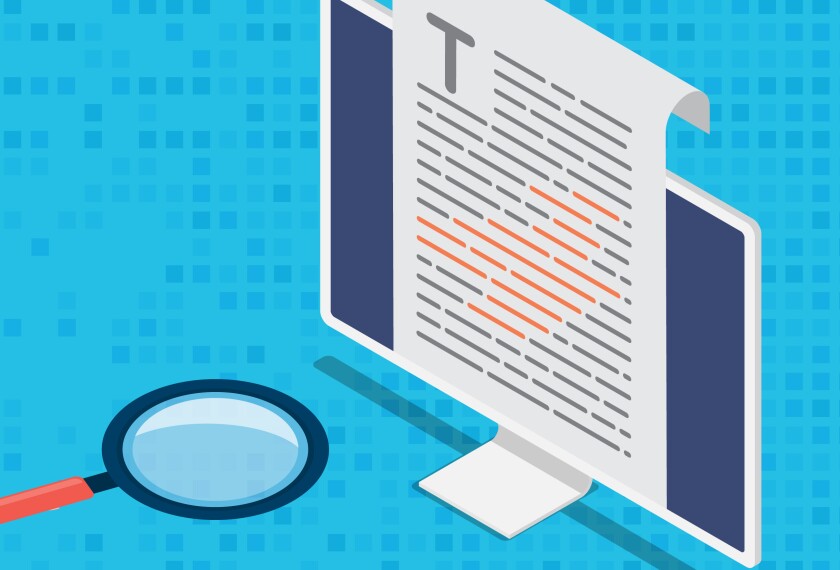
The forefront of the use of AI for learning and writing is most iconic in society, with its use to write long-form essays and writing assignments. The wide availability of computer intelligence has increased its popularity to a huge extent among teens. Aiming to combat this, educators have begun to utilize AI detectors. This has been essential for detecting it in students’ work many times; however, the detection software can often be incorrect, flagging students’ material as artificial intelligence, even though they wrote it themselves.
Many students have been in the situation of being accused of using AI on an authentic writing assignment. Whether it be with their usage of vocabulary or the infamous em dash, people often see their work questioned by AI detectors. As described after a University of San Diego research study, “In theory, AI detectors analyze a piece of writing and assess what percentage of the text is AI-generated versus human-generated. However, multiple studies have shown that AI detectors were ‘neither accurate nor reliable,’ producing a high number of both false positives and false negatives.” Due to a lack of validity with online AI detection, students have begun to speak out against their use. Being challenged based on their writing gives them a sense of disappointment and leaves them questioning their own work.
But what should be the solution? Teachers could stop using AI detection, but then this would allow it to be used in place of creativity in students’ assignments. The solution may seem out of reach, causing some students to throw their hands in the air, but this issue is completely avoidable. There are plenty of ways to authenticate an individual’s writing. Programs such as GPT Zero and Grammarly tracking provide full reports of the validity of a student’s writing, among many other installations. Much of the debate surrounding the detection software comes simply from a fear of new technology, one that has existed throughout history. As early as the invention of the printing press, people were apprehensive about the future and what new technologies’ effects would be on society. Still, looking back, people, both culturally and practically, were able to adapt and innovate.
The presence of AI and technology is frightening to some, and its complications with students can seem like a major issue, but the truth is, students have technology available to them to allow them to combat the problems with a detection platform. Also, chances are that many students flagged for AI have utilized it, so people who wish not to be accused of using it should simply stay clear of it at all costs. Artificial Intelligence, as well as the detection of it, is in its early development, so individuals today must learn how to thrive in a society driven by computer-based learning, while not becoming dependent on it.